





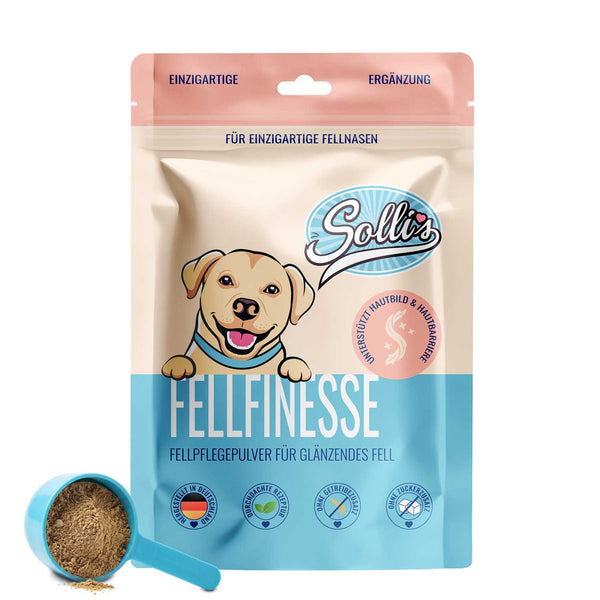


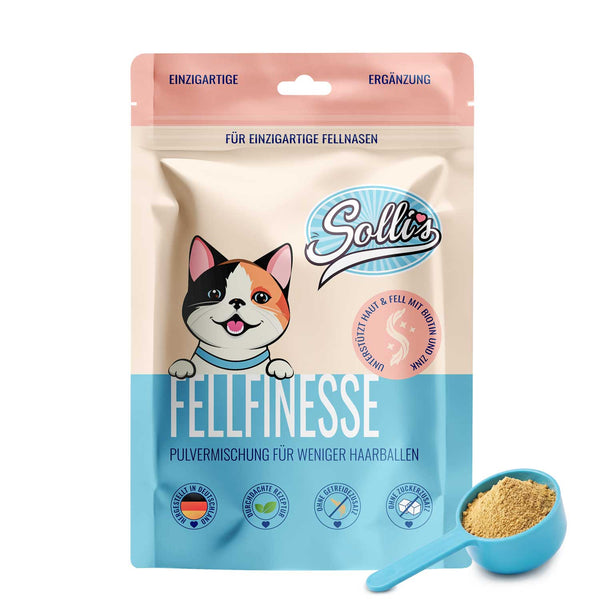
Fellfinesse Powder
0 (0)Less retching, fewer hairballs.
This complementary food for cats helps to move swallowed hair naturally through the gut, while at the same time supporting skin and coat, especially during moulting. What sets...


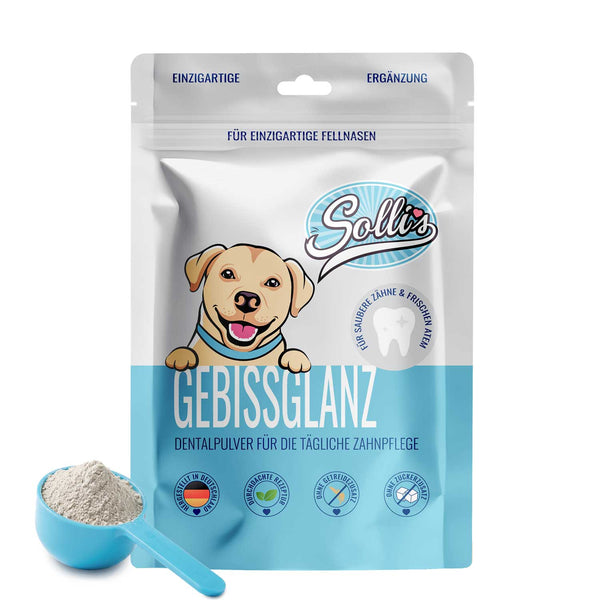 Gebissglanz PowderClean teeth and fresh breath, without any battle with the brush.4,8 (11)
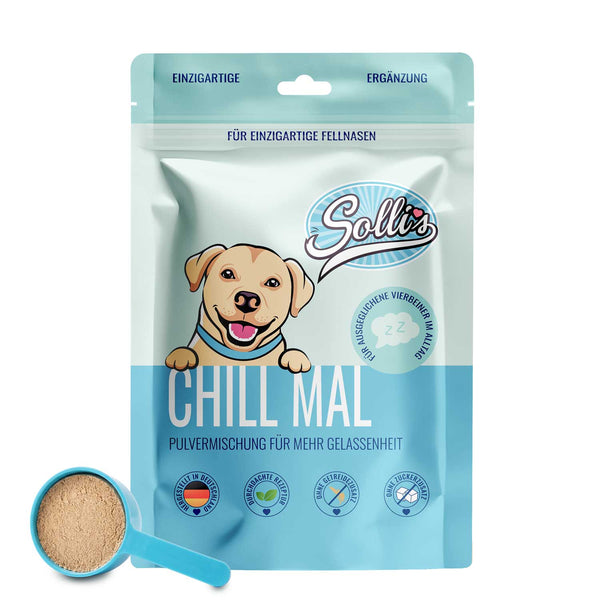 Chill Mal PowderWith valerian and hops, calmer through New Year's Eve and travel.4,8 (27)
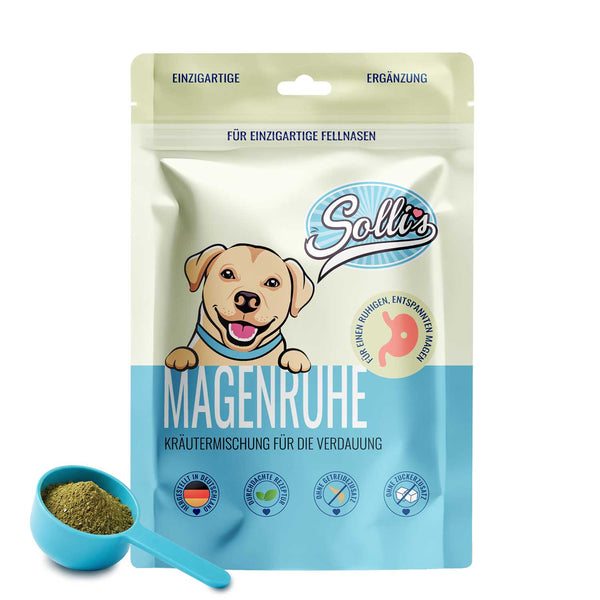 Magenruhe PowderClassic stomach herbs for a settled tummy.4,8 (36)
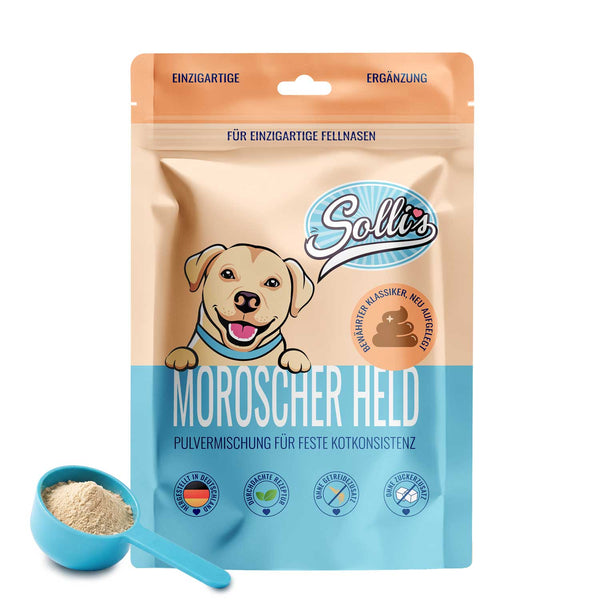 Moroscher Held PowderFor the days when the tummy is playing up.5,0 (7)+8more
 Gebissglanz Dental SprayWell-cared-for teeth and fresh breath, simply sprayed on.4,5 (2)
 Tick Spot-OnKeeps ticks away, so you can both enjoy relaxed time outdoors.4,7 (7)
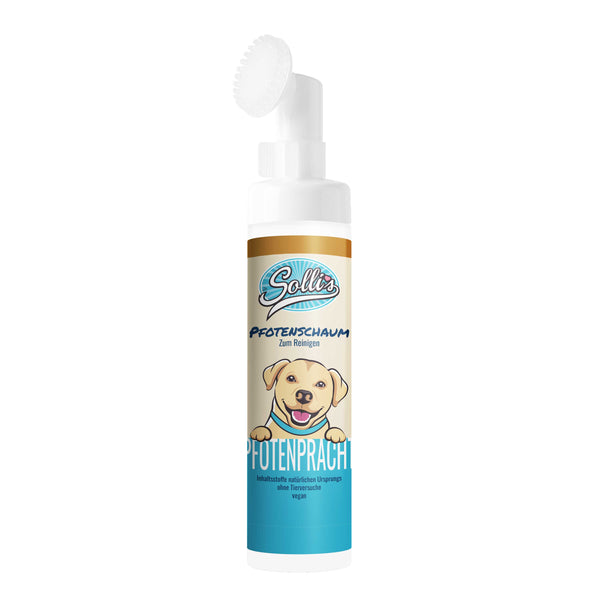 Pfotenpracht Paw FoamRub in. Wipe off. Splendid.4,5 (2)
 Sinneswohl Eye CleanerGently loosens tear stains and cares for the eye area.4,5 (2)+6more
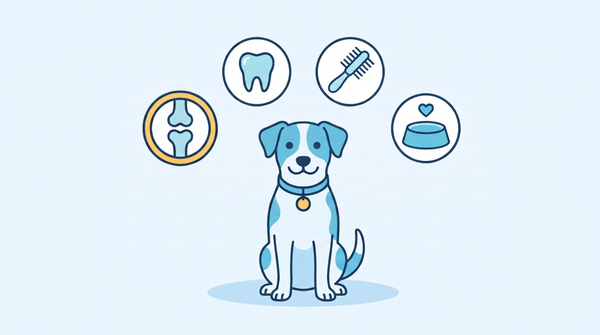 Supplement quizGezielt unterstützenWo hakt es gerade? Wir zeigen dir, womit du startest.Ergänzungs-Quiz starten ›
 Das richtige Futter findenSieben kurze Fragen, dann steht die Basisration.Futter-Finder starten ›
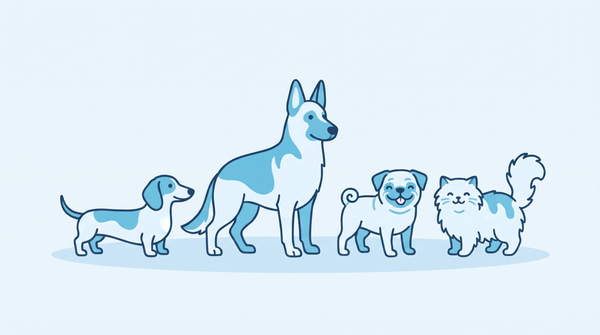 Meine Rasse verstehenGesundheitsthemen und Tipps für 183 Rassen.Zum Rassenberater ›
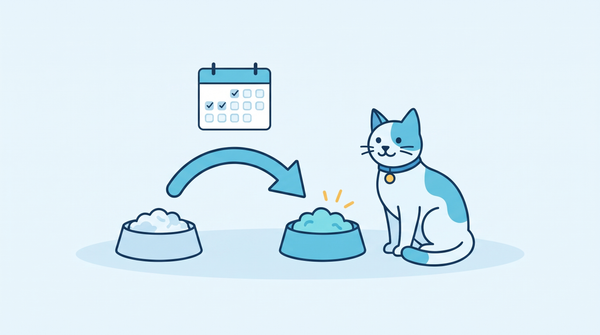 Umstellung ohne BauchwehDein Tag-für-Tag-Plan fürs neue Futter, mit Grammangaben und geprüft von Stela.Umstellungsplan anfordern ›
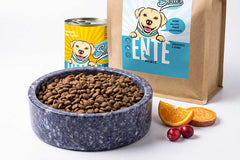 All products
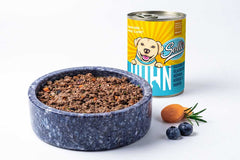 Wet dog food5
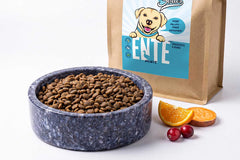 Dry dog food14
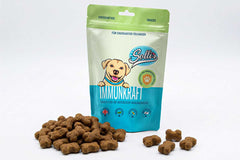 Treats16
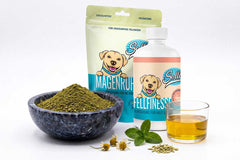 Supplements12
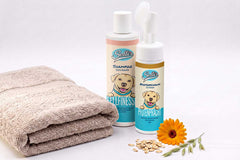 Care & grooming10
Samples19
 Beef MinisScottish Angus, baked mini.4,9 (29)
 Salmon MinisA glossy coat has never tasted this good.5,0 (21)
 Turkey MinisFor small dogs with big standards.5,0 (24)
 Wet Food ChickenIf he won't eat anything else, he'll eat this.4,9 (101)
 Wet Food BeefHonest beef, nothing hidden.4,9 (90)
 Wet Food LambGentle enough for the most delicate stomach.4,9 (96)Trockenfutter3
Snacks2
Futterergänzungen2
Pflege3
 Gebissglanz Dental GelDental care that works with your finger too.4,5 (2)
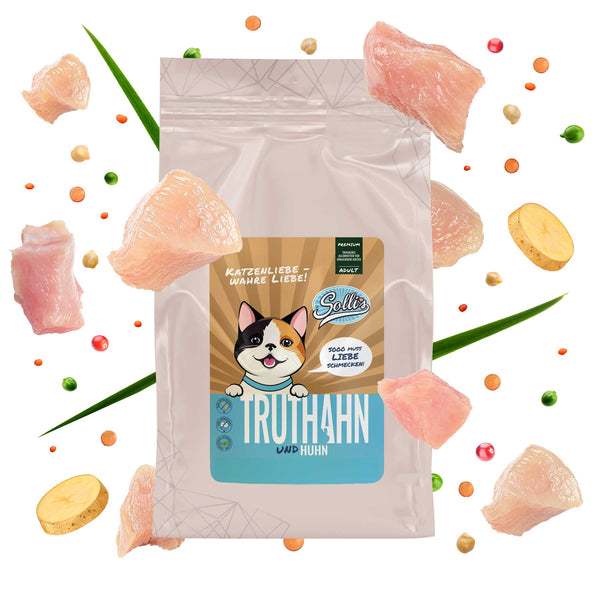 Turkey with ChickenComplete nutrition, no hidden ingredients.
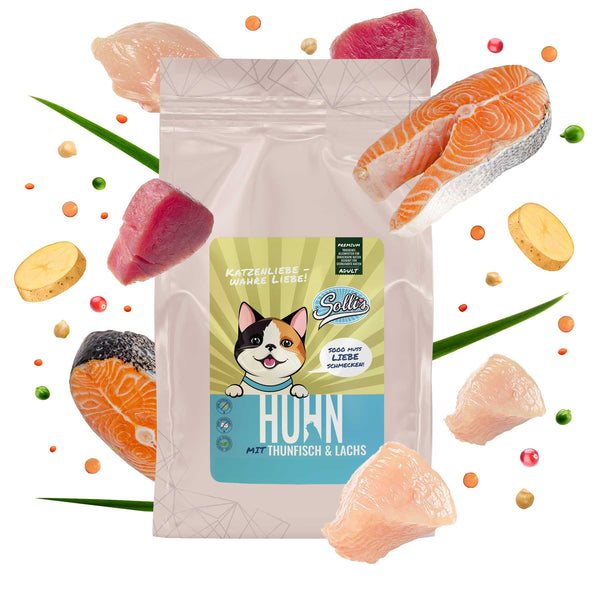 Chicken with Salmon & TunaLighter enjoyment for neutered cats.4,9 (17)
Sinneswohl Eye CleanerGently loosens tear stains and cares for the eye area.4,5 (2)
 Sinneswohl Ear CleanerClean ears, with no perfume at all.4,5 (2)
 SeetrioLachs, Weißfisch und Forelle in einer knusprigen Belohnung.

 About
This guide is only available in German.

Elegante Katze mit silbern schattiertem Fell und wie umrandeten Augen.
Die Burmilla ist eine sanfte, gesellige Katze mit elegantem, silbern schattiertem Fell. Rassetypisch solltest du die Fellpflege und Haarballen, die Zähne, die Harnwege und ein mögliches erbliches Nierenthema im Blick behalten.
Choose the life stage and what you're noticing at the moment. We'll sort the typical breed topics and give you a starting point instead of a long product list.
Life stageRegelmäßige Fellpflege, gute Flüssigkeitsaufnahme und ein gesundes Gewicht halten die Burmilla fit.
What have you noticed?Our starting point:
Fellfinesse Powder
0 (0)Less retching, fewer hairballs.
This complementary food for cats helps to move swallowed hair naturally through the gut, while at the same time supporting skin and coat, especially during moulting. What sets...
Why this product: Psyllium husks and lignocellulose wrap around swallowed hair in the gut, and marshmallow root helps it glide through. The hair goes down instead of coming back up.
Sinneswohl Eye Cleaner
4,5 (2)Gently loosens tear stains and cares for the eye area.
For clean eyes without tear stains, gentle enough for every day. For dogs and cats.
Why this product: Contains lactobacillus ferment with heather and meadowsweet extract, with no alcohol and no fragrances. It's best to put it on a cotton pad and wipe away from the eye.
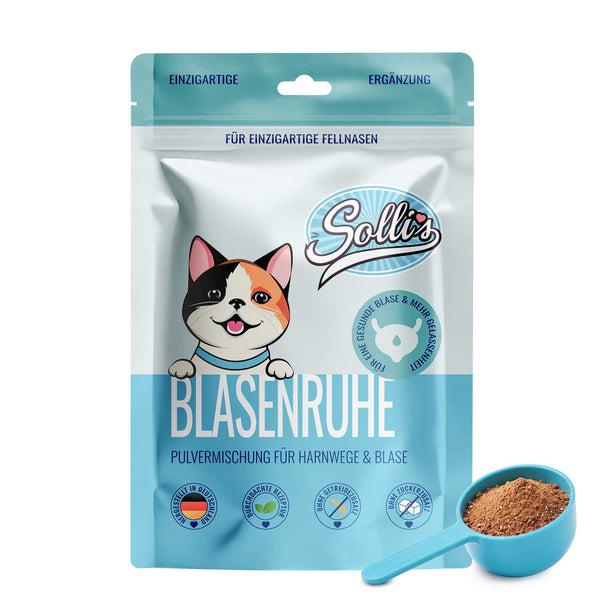
Blasenruhe Powder
0 (0)With 15 % cranberry for a healthy urinary tract and more composure.
This complementary food for cats specifically supports the urinary tract and a relaxed bladder, with cranberry at its core and a calming component, because bladder issues in cats...
Why this product: Glucosamine and MSM provide the building blocks of the protective layer that lines the inside of the bladder wall and separates it from the urine.
Sinneswohl Eye Cleaner
4,5 (2)Gently loosens tear stains and cares for the eye area.
For clean eyes without tear stains, gentle enough for every day. For dogs and cats.
Why this product: Contains lactobacillus ferment with heather and meadowsweet extract, with no alcohol and no fragrances. It's best to put it on a cotton pad and wipe away from the eye.
Is a Burmilla yours? Create its pet profile, the breed is already filled in. We then show matching products and remind you of appointments.
Create a pet profile for my BurmillaBeide sind relativ pflegeleicht, brauchen aber regelmäßiges Bürsten, die halblange Variante etwas mehr. Verschluckte Haare können sich zu Haarballen zusammenlagern.
Regelmäßiges Bürsten reduziert verschluckte Haare und hält das Fell gepflegt. Die feine Augenpartie sollte bei Bedarf sanft sauber gehalten werden. Würgt deine Katze häufig, ist eine tierärztliche Abklärung sinnvoll.
Matching Solli's products
Fellfinesse Powder
0 (0)Less retching, fewer hairballs.
This complementary food for cats helps to move swallowed hair naturally through the gut, while at the same time supporting skin and coat, especially during moulting. What sets...
Eine schrittweise Gewöhnung an Zahnpflege und unterstützende Dentalprodukte können helfen, die Zähne sauber zu halten. Lass die Zähne bei der jährlichen tierärztlichen Kontrolle mit anschauen.
Matching Solli's products
Gebissglanz Dental Gel
4,5 (2)Dental care that works with your finger too.
For clean teeth and fresh breath, even with reluctant brushers. You can put the gel on your finger or a brush and massage it in briefly.
Gutes Trinken ist die wichtigste Vorsorge.
Nassfutter, mehrere Wasserstellen und ein Trinkbrunnen fördern das Trinken. Achte auf das Verhalten beim Toilettengang. Bei Blut im Urin, häufigem Absetzen kleiner Mengen oder Schmerzäußerungen ist sofort der Tierarzt gefragt.
Matching Solli's products
Blasenruhe Powder
0 (0)With 15 % cranberry for a healthy urinary tract and more composure.
This complementary food for cats specifically supports the urinary tract and a relaxed bladder, with cranberry at its core and a calming component, because bladder issues in cats...
Verantwortungsvolle Zuchten testen ihre Tiere darauf, achte beim Kauf auf entsprechend untersuchte Elterntiere.
Im Alltag lohnt der Blick auf vermehrtes Trinken und Wasserlassen sowie auf das Allgemeinbefinden. Bei Auffälligkeiten ist eine tierärztliche Untersuchung mit Blut- und Urinkontrolle der richtige Weg.
Die Burmilla braucht als typische Katze ein hochwertiges, fleischreiches Futter mit tierischem Eiweiß. Die Menge richtet sich nach ihrem eher feinen, mittleren Körperbau.
Eine gute Flüssigkeitsaufnahme unterstützt Harnwege und Nieren, weshalb Nassfutter und mehrere Wasserstellen wichtig sind. Omega-Fettsäuren tun dem schattierten Fell gut.
Bei reiner Wohnungshaltung solltest du das Gewicht im Blick behalten. Feste Fütterungszeiten helfen, die Portionen zu steuern.
Behutsame Sozialisierung, Gewöhnung an das Bürsten und ein hochwertiges Kittenfutter stehen im Vordergrund.
Regelmäßige Fellpflege, gute Flüssigkeitsaufnahme und ein gesundes Gewicht halten die Burmilla fit.
Nieren, Harnwege, Zähne und Gewicht rücken stärker in den Fokus, dazu regelmäßige Vorsorge.
Die Burmilla entstand aus einer Verpaarung von Burma und Chinchilla-Perser und vereint das anhängliche Wesen der Burma mit einem eleganten, silbern schattierten Fell. Ihre grünen Augen wirken wie mit einem feinen Lidstrich umrandet, was ihr einen besonderen Ausdruck verleiht.
Charakterlich ist die Burmilla sanft, anhänglich und verspielt. Sie ist gesellig, menschenbezogen und behält oft bis ins Alter einen kittenhaften Charme. Sie sucht die Nähe ihrer Familie und verträgt sich meist gut mit anderen Tieren.
Ihr Fell ist je nach Variante kurz oder halblang und relativ pflegeleicht. Da die Perserlinie im Hintergrund steht, kann ein erbliches Nierenthema vorkommen, auf das verantwortungsvolle Zuchten testen.
Unterm Strich ist die Burmilla eine sanfte, gesellige Katze mit elegantem Fell. Die Fellpflege und Haarballen, die Zähne, die Harnwege und ein mögliches erbliches Nierenthema sind die Themen, die du im Blick behalten solltest.
For every cat that brings up hairballs, especially during the moult in spring and autumn, long-haired cats and cats that groom themselves a lot. The fibres carry swallowed hair through the gut. Biotin, zinc and salmon oil make sure that there's less loose hair.
How much your cat gets each day depends on their weight and is stated on the pack, and a measuring scoop is included. It's best to stir the powder into wet food or mix it with a little water, because fibre needs liquid.
Usually after about two weeks. Your cat then retches less often, and less hair gets caught in the brush. After four to six weeks, the hairballs usually stop altogether. Before the moult, it's worth starting two weeks earlier.
An occasional hairball every few weeks is normal in healthy cats. If one comes up weekly or more often, there's more hair than the gut can cope with. Then regular brushing and fibre in the food help. If your cat retches without bringing anything up, is eating poorly or is constipated, they should see the vet.

Answer a few short questions and get a recommendation that suits your pet.
4.9 out of 5 from 812 shop reviews
Sign up for our newsletter and we'll send your voucher straight to your inbox.
Please confirm your sign-up in the email we've just sent you. Your voucher will follow.