





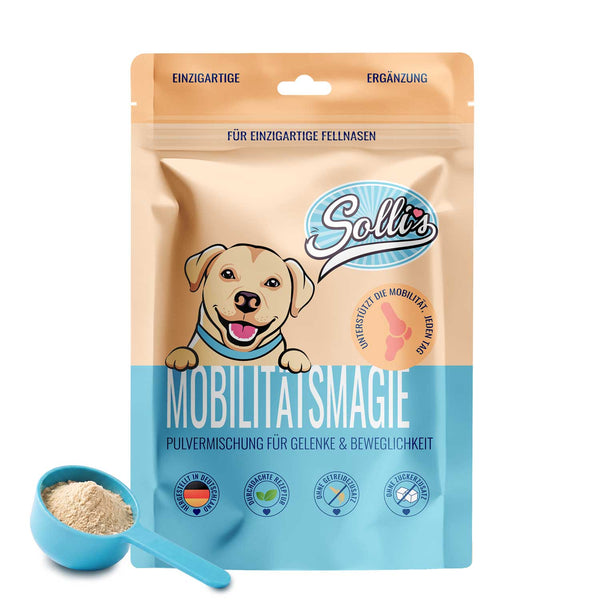
Mobilitätsmagie Powder
4,8 (10)Joint building blocks for a dog that loves jumping into the car again.
For dogs that are getting stiffer or reluctant to get up. Mobilitätsmagie supports the joints so your dog joins in more again.


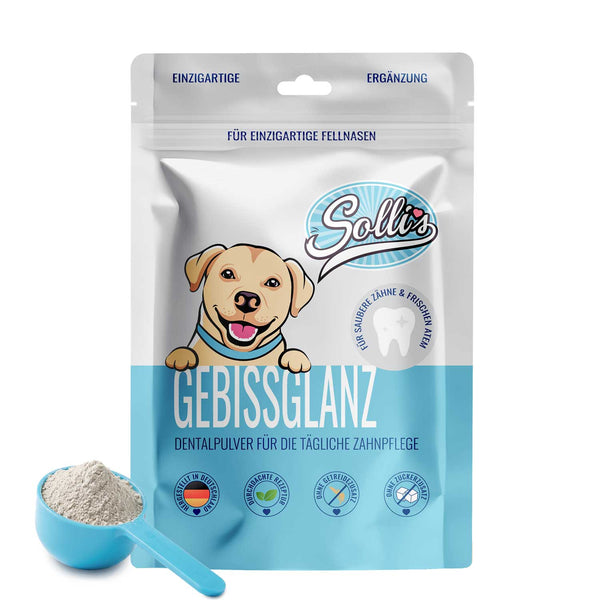 Gebissglanz PowderClean teeth and fresh breath, without any battle with the brush.4,8 (11)
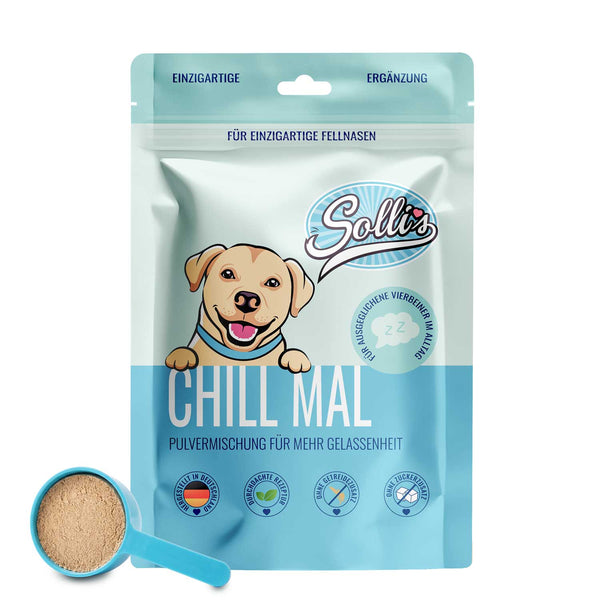 Chill Mal PowderWith valerian and hops, calmer through New Year's Eve and travel.4,8 (27)
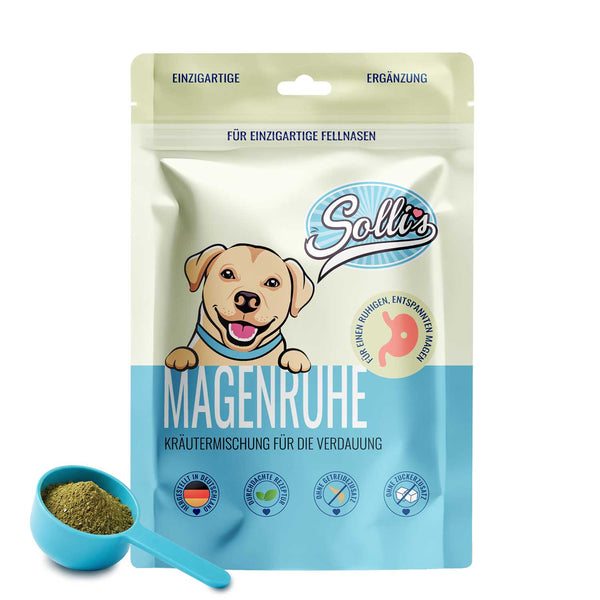 Magenruhe PowderClassic stomach herbs for a settled tummy.4,8 (36)
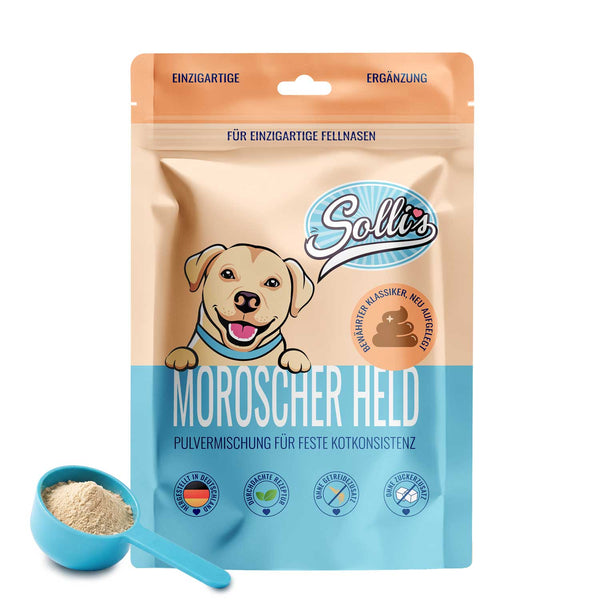 Moroscher Held PowderFor the days when the tummy is playing up.5,0 (7)+8more
 Gebissglanz Dental SprayWell-cared-for teeth and fresh breath, simply sprayed on.4,5 (2)
 Tick Spot-OnKeeps ticks away, so you can both enjoy relaxed time outdoors.4,7 (7)
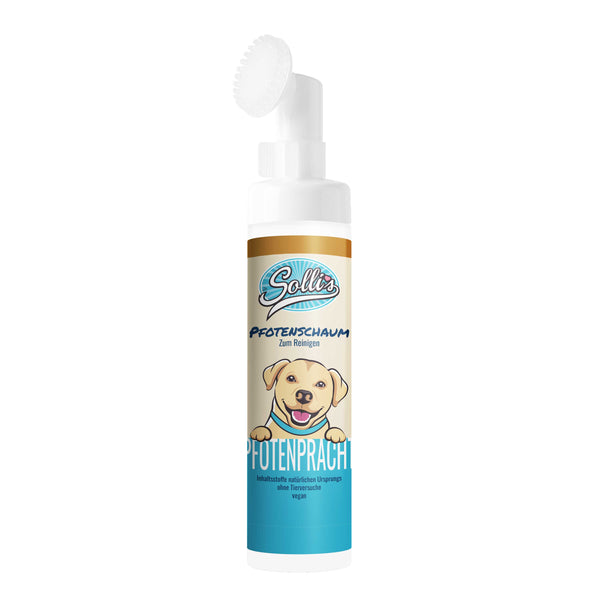 Pfotenpracht Paw FoamRub in. Wipe off. Splendid.4,5 (2)
 Sinneswohl Eye CleanerGently loosens tear stains and cares for the eye area.4,5 (2)+6more
 Supplement quizGezielt unterstützenWo hakt es gerade? Wir zeigen dir, womit du startest.Ergänzungs-Quiz starten ›
 Das richtige Futter findenSieben kurze Fragen, dann steht die Basisration.Futter-Finder starten ›
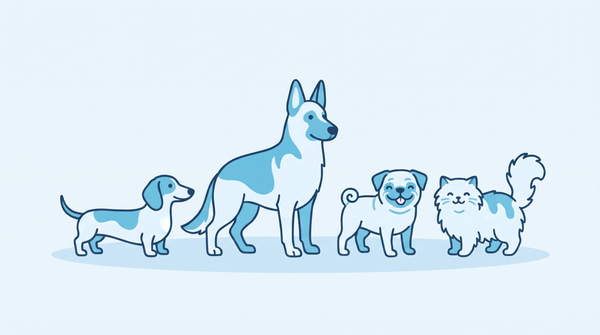 Meine Rasse verstehenGesundheitsthemen und Tipps für 183 Rassen.Zum Rassenberater ›
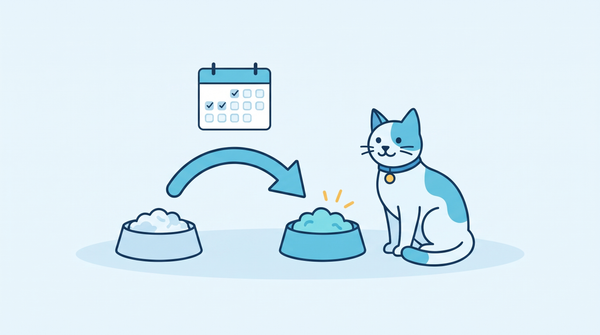 Umstellung ohne BauchwehDein Tag-für-Tag-Plan fürs neue Futter, mit Grammangaben und geprüft von Stela.Umstellungsplan anfordern ›
 All products
 Wet dog food5
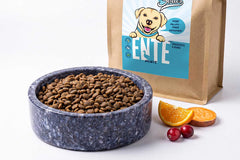 Dry dog food14
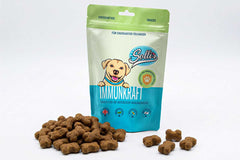 Treats16
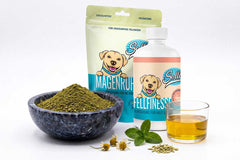 Supplements12
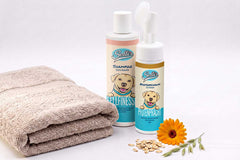 Care & grooming10
Samples19
 Beef MinisScottish Angus, baked mini.4,9 (29)
 Salmon MinisA glossy coat has never tasted this good.5,0 (21)
 Turkey MinisFor small dogs with big standards.5,0 (24)
 Wet Food ChickenIf he won't eat anything else, he'll eat this.4,9 (101)
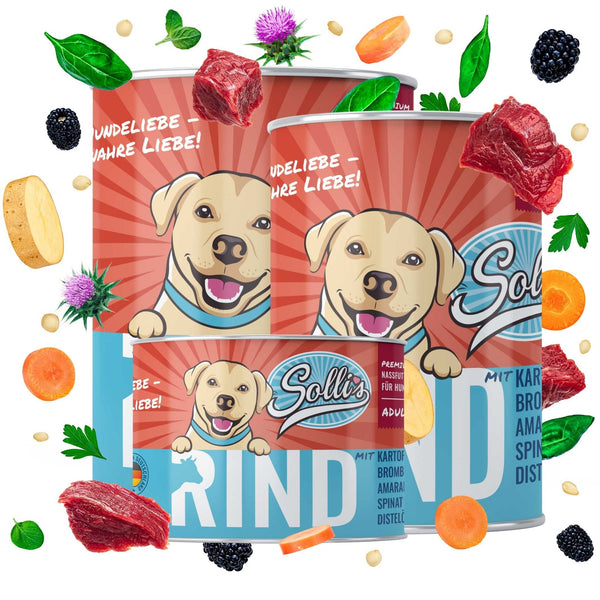
 Wet Food BeefHonest beef, nothing hidden.4,9 (90)
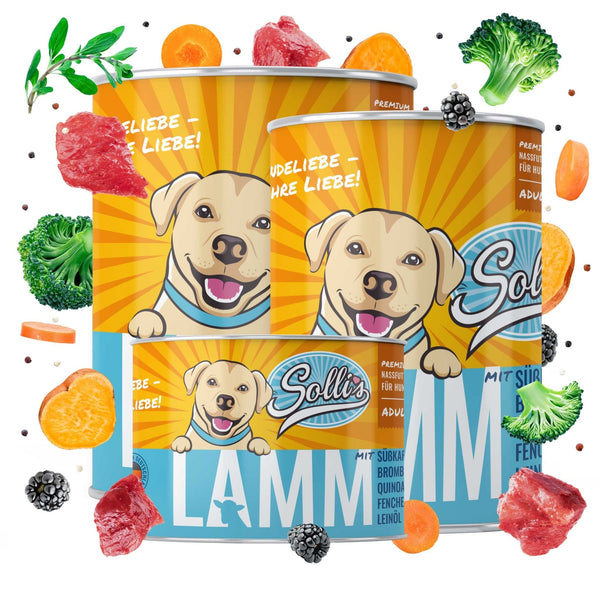
 Wet Food LambGentle enough for the most delicate stomach.4,9 (96)Trockenfutter3
Snacks2
Futterergänzungen2
Pflege3
 Gebissglanz Dental GelDental care that works with your finger too.4,5 (2)
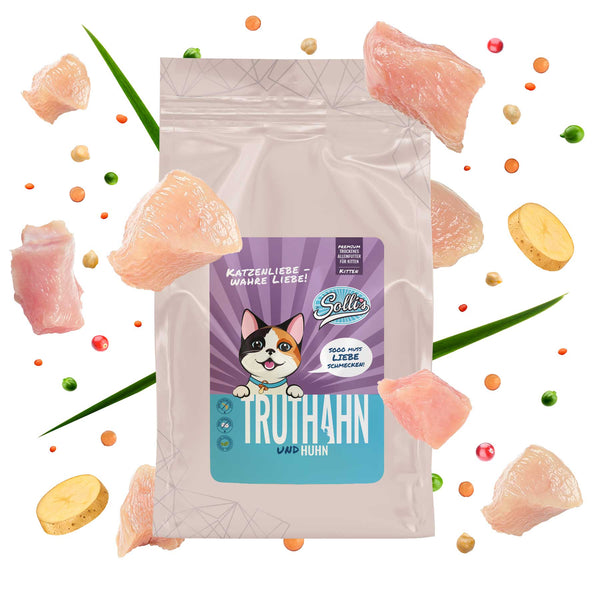
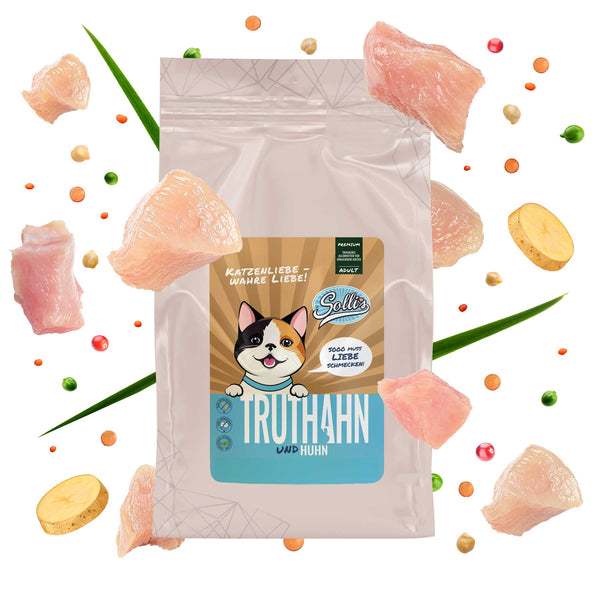 Turkey with ChickenComplete nutrition, no hidden ingredients.
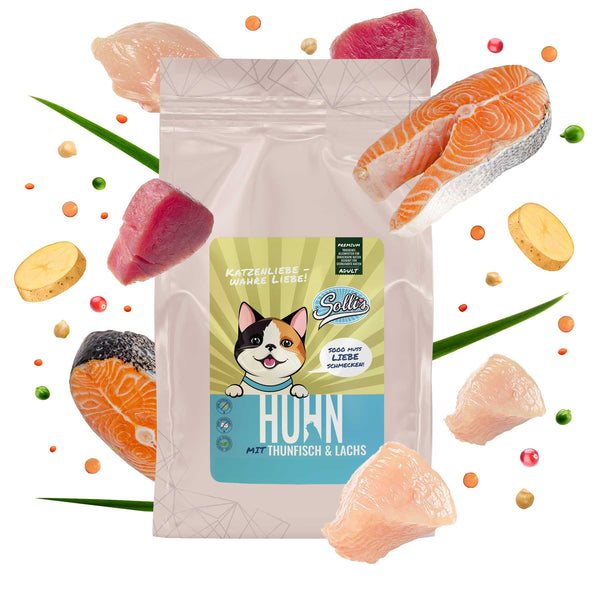 Chicken with Salmon & TunaLighter enjoyment for neutered cats.4,9 (17)
Sinneswohl Eye CleanerGently loosens tear stains and cares for the eye area.4,5 (2)
 Sinneswohl Ear CleanerClean ears, with no perfume at all.4,5 (2)
 SeetrioLachs, Weißfisch und Forelle in einer knusprigen Belohnung.

 About
This guide is only available in German.

Nasenwunder mit Faltenhaut und sanftem, sturem Gemüt.
Der Bloodhound ist ein sanfter, sturer Fährtenspezialist mit feinster Nase für geduldige, erfahrene Halter. Rassetypisch solltest du die Gelenke, die Faltenhaut und langen Ohren, die empfindliche Verdauung und eine gute Auslastung im Blick behalten.
Choose the life stage and what you're noticing at the moment. We'll sort the typical breed topics and give you a starting point instead of a long product list.
Life stageNasenarbeit, ausdauernde Bewegung, mehrere kleine Mahlzeiten und regelmäßige Falten- und Ohrenpflege halten den Bloodhound gesund.
What have you noticed?Our starting point:
Mobilitätsmagie Powder
4,8 (10)Joint building blocks for a dog that loves jumping into the car again.
For dogs that are getting stiffer or reluctant to get up. Mobilitätsmagie supports the joints so your dog joins in more again.
Why this product: The body builds cartilage, tendons and joint fluid from specific building blocks. Green-lipped mussel, glucosamine, MSM and collagen hydrolysate supply exactly these.
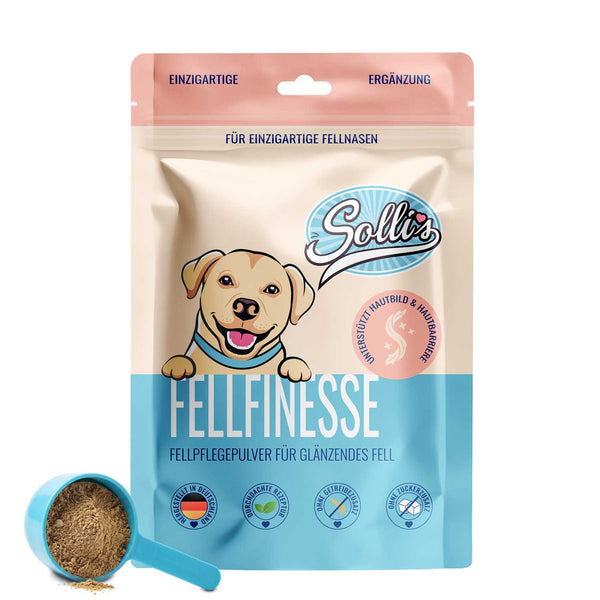
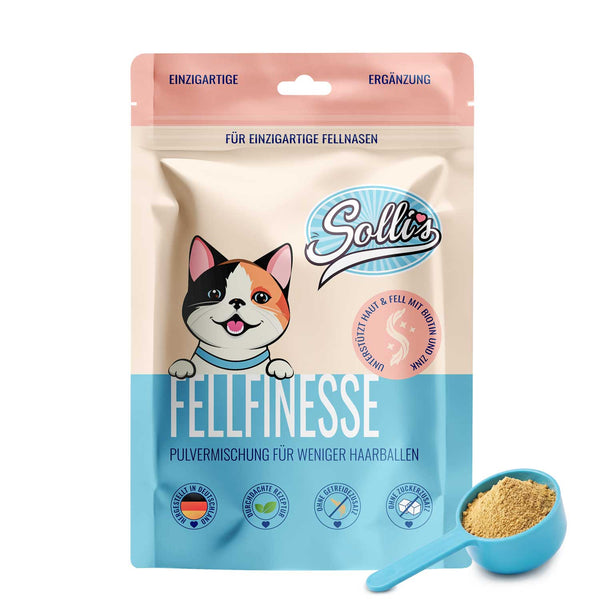
Fellfinesse Powder
5,0 (3)With fish oil and biotin for supple skin and a coat made for stroking.
A good fit if your dog's skin is dry or the coat looks dull. Fellfinesse supplies both with nutrients so that the coat shines again.
Why this product: 1.000 mg biotin and 3.900 mg zinc per kilogram, plus methionine, taurine and the complete B vitamin range from brewer's yeast. These are exactly the building blocks from which hair roots and keratin are made.
Magenruhe Powder
4,8 (36)Classic stomach herbs for a settled tummy.
Does your dog often eat grass, smack its lips or have an unsettled stomach? These gentle herbs settle its tummy.
Why this product: Peppermint, fennel, anise, caraway and chamomile are the classic tummy herbs. They help release gas in the gut and calm the muscles. Black cumin and curcuma round off the blend.
Chill Mal Powder
4,8 (27)With valerian and hops, calmer through New Year's Eve and travel.
For excited dogs on New Year's Eve, during thunderstorms or before a vet visit. The plant-based blend helps your dog calm down again.
Why this product: Every kilogram contains 10.000 mg ashwagandha extract with 10 % withanolides, plus passionflower, valerian, hops and St John's wort. The blend is made for daily feeding over several weeks, not for one single evening.
Is a Bloodhound yours? Create its pet profile, the breed is already filled in. We then work out its daily amount and stock, show matching products and remind you of appointments.
Create a pet profile for my BloodhoundWhat other owners say
Showed good results after just three days, and the dog happily takes it.
Rassetypisch können Hüfte und Ellenbogen betroffen sein, weshalb kontrolliertes Wachstum und ein gesundes Gewicht besonders wichtig sind.
Gelenkfreundliche Nährstoffe wie Grünlippmuschel, Kollagen und MSM können die normale Gelenkfunktion unterstützen, am besten frühzeitig. Zeigt dein Bloodhound Lahmheit oder Steifheit, gehört das tierärztlich abgeklärt.
Matching Solli's products
Mobilitätsmagie Powder
4,8 (10)Joint building blocks for a dog that loves jumping into the car again.
For dogs that are getting stiffer or reluctant to get up. Mobilitätsmagie supports the joints so your dog joins in more again.
In den Falten und in den schlecht belüfteten Ohren kann sich bei mangelnder Pflege leicht Feuchtigkeit sammeln.
Regelmäßiges, sanftes Reinigen und Trockenhalten der Falten und Ohren beugt Reizungen vor. Eine gute Nährstoffversorgung mit Omega-Fettsäuren unterstützt die Haut. Bei Rötungen, Geruch oder Kopfschütteln ist der Tierarzt gefragt.
Matching Solli's products
Fellfinesse Powder
5,0 (3)With fish oil and biotin for supple skin and a coat made for stroking.
A good fit if your dog's skin is dry or the coat looks dull. Fellfinesse supplies both with nutrients so that the coat shines again.
Mehrere kleine Mahlzeiten, Ruhe nach dem Fressen und langsames Fressen sind wichtige Vorsichtsmaßnahmen.
Eine gute, gut verdauliche Ernährung und eine stabile Darmflora unterstützen die Verdauung. Bei Unruhe, aufgeblähtem Bauch und erfolglosem Würgen ist sofort der Tierarzt zu verständigen.
Matching Solli's products
Magenruhe Powder
4,8 (36)Classic stomach herbs for a settled tummy.
Does your dog often eat grass, smack its lips or have an unsettled stomach? These gentle herbs settle its tummy.
Ohne Nasenarbeit und ausreichende Bewegung wird er unausgeglichen.
Ausgedehnte Spaziergänge, Fährten- und Suchspiele lasten ihn sinnvoll aus. In aufregenden Momenten können beruhigende Kräuter ergänzen, wichtiger sind aber Geduld, Bewegung und artgerechte Beschäftigung.
Matching Solli's products
Chill Mal Powder
4,8 (27)With valerian and hops, calmer through New Year's Eve and travel.
For excited dogs on New Year's Eve, during thunderstorms or before a vet visit. The plant-based blend helps your dog calm down again.
Der Bloodhound ist ein großer, schwerer Hund, bei dem ein kontrolliertes Wachstum in der Junghundzeit wichtig ist. Ein hochwertiges, auf große Rassen abgestimmtes Futter unterstützt gesunde Gelenke.
Als tiefbrüstige Rasse neigt der Bloodhound zu Magendrehung. Mehrere kleine Mahlzeiten am Tag, ein ruhiger Fressplatz und Ruhe nach dem Fressen senken das Risiko. Hastiges Schlingen sollte vermieden werden.
Ein schlankes Gewicht entlastet die Gelenke des großen Hundes spürbar. Gut fühlbare Rippen sind ein guter Anhaltspunkt, auch unter der Faltenhaut.
Kontrolliertes Wachstum, gelenkschonende Bewegung und frühe, geduldige Sozialisierung stehen im Vordergrund.
Nasenarbeit, ausdauernde Bewegung, mehrere kleine Mahlzeiten und regelmäßige Falten- und Ohrenpflege halten den Bloodhound gesund.
Gelenke, Verdauung und Gewicht rücken stärker in den Fokus, die Bewegung wird angepasst.
Der Bloodhound, auch Bluthund oder St. Hubertushund genannt, ist der Inbegriff des Fährtenhundes und besitzt eine der feinsten Nasen der Hundewelt. Mit seiner Faltenhaut, den langen Ohren und dem schwermütigen Blick ist er unverwechselbar.
Charakterlich ist der Bloodhound sanftmütig, freundlich und ausgesprochen menschenbezogen, gleichzeitig aber eigensinnig und schwer von einer einmal aufgenommenen Spur abzubringen. Er ist geduldig und gutmütig, aber kein Hund für schnellen Gehorsam.
Seine Nase bestimmt sein Leben: Hat er eine Fährte, blendet er fast alles andere aus. Er braucht Nasenarbeit, ausdauernde Bewegung und viel Geduld in der Erziehung. Zwang bringt bei ihm nichts.
Unterm Strich ist der Bloodhound ein sanfter, sturer Fährtenspezialist für geduldige, erfahrene Halter. Die Gelenke, die Faltenhaut und langen Ohren, die empfindliche Verdauung und eine gute Auslastung sind die Themen, die du im Blick behalten solltest.
Für Züchter:innen gibt es bei Solli's einen eigenen Bereich mit Wissen zu jeder Zuchtphase und einem Wurfrechner.

For a dog that is showing the first signs or that you want to support early on, the Mobilitätsmagie joint powder is the place to start. It combines glucosamine, MSM, collagen, green-lipped mussel and devil's claw in one blend and should be added to the food every day. If you'd also like to give omega-3 fatty acids, you can add the Mobilitätsmagie oil. We recommend both together for seniors and large breeds.
Both provide marine omega-3, but they are made up differently. The salmon oil is a single oil and the simple, affordable basis, completely sufficient for skin and coat. The Mobilitätsmagie oil combines sardine and salmon oil with over 5 % EPA and DHA with linseed oil, hemp seed oil and borage oil as a source of GLA, together 276.000 mg omega-3 per litre. That's why the Mobilitätsmagie oil is the more targeted choice for the joints.
Yes, in fact the two complement each other best. The powder provides the building blocks for cartilage, and the oil provides the fatty acids that aren't in the powder. You can add both to the food every day. However, you shouldn't give two oils at the same time, such as salmon oil and the Mobilitätsmagie oil, because the amount of fat adds up.
You'll usually see the first changes after four to six weeks, for example when your dog gets up more easily in the morning. Noticeably more playfulness and willingness to jump come after eight to twelve weeks, because the cartilage building blocks need time to reach the joint. You should give the powder at least three months before making up your mind. A short exercise diary helps you see the progress.
Answer a few short questions and get a recommendation that suits your pet.
4.9 out of 5 from 812 shop reviews
Sign up for our newsletter and we'll send your voucher straight to your inbox.
Please confirm your sign-up in the email we've just sent you. Your voucher will follow.